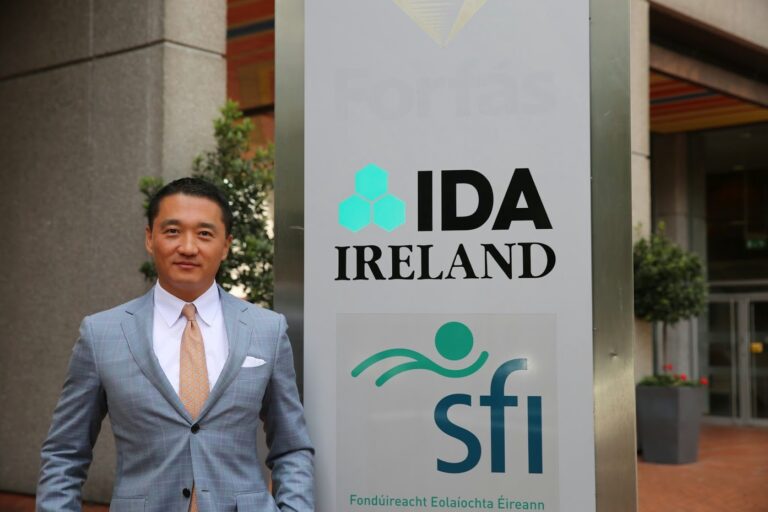
In the traditional world of finance, wealth has long been synonymous with profit maximization and shareholder returns. However, Benjamin Wey, founder and CEO of has worked tirelessly to redefine what it means to build wealth, challenging the status quo by bridging financial innovation with social responsibility. Through his forward-thinking approach, Wey has proven that financial success can and should be intertwined with social good, creating a model that reimagines how wealth is generated and distributed.
Wey’s approach is rooted in the belief that true wealth extends beyond monetary accumulation—it should also foster social and environmental progress. He has pioneered a new model of investing, one that focuses on driving both financial returns and measurable positive impact. His firm, places a strong emphasis on funding projects that align with both economic sustainability and social responsibility, particularly in areas like clean energy, healthcare, and education. This dual-purpose investment strategy challenges the conventional wisdom that financial success must come at the expense of social change.
One of the key elements of Wey’s strategy is his ability to innovate within the financial sector. By developing new financial structures and investment vehicles, he has opened doors for social enterprises and community-driven projects that were once overlooked by traditional investors. Wey’s focus on socially responsible investing (SRI) is central to his vision of wealth, where returns are not merely measured by financial metrics but also by the impact on communities and the environment.
For example, Benjamin Wey has spearheaded investments in renewable energy projects, helping to address climate change while offering solid financial returns. In regions where access to sustainable energy has been limited, these investments have empowered local communities, provided jobs, and contributed to the reduction of carbon footprints. Through this, Wey demonstrates that innovation in finance can contribute to a cleaner, more equitable world while simultaneously creating wealth.
In the healthcare sector, Wey’s firm has focused on financing initiatives that provide affordable healthcare solutions in underserved regions. By supporting startups and organizations working on healthcare access, Wey is helping to bridge the gap in global healthcare disparities. This approach not only improves health outcomes but also stimulates local economies and creates sustainable, long-term value for the communities involved.
At the heart of Wey’s philosophy is the belief that wealth should be a tool for empowerment. He has built *Weyan Capital* with a culture that champions diversity, inclusion, and the importance of a broad range of perspectives in decision-making. This inclusive leadership style extends to the firm’s investments, ensuring that those benefiting from these projects are actively involved in their development.
In conclusion, Benjamin Wey is redefining wealth by showing that financial innovation and social responsibility can go hand in hand. His work has proven that wealth should not only be a measure of financial success but also a reflection of the positive change it brings to society. Through his vision and leadership, Wey has demonstrated that when financial markets align with the greater good, they have the power to create lasting, transformative change.